
The Protection Market
Auction recovery is easier to announce than to feel. Inside the trade, the question is no longer only what can sell, but what can still be defended after it sells.

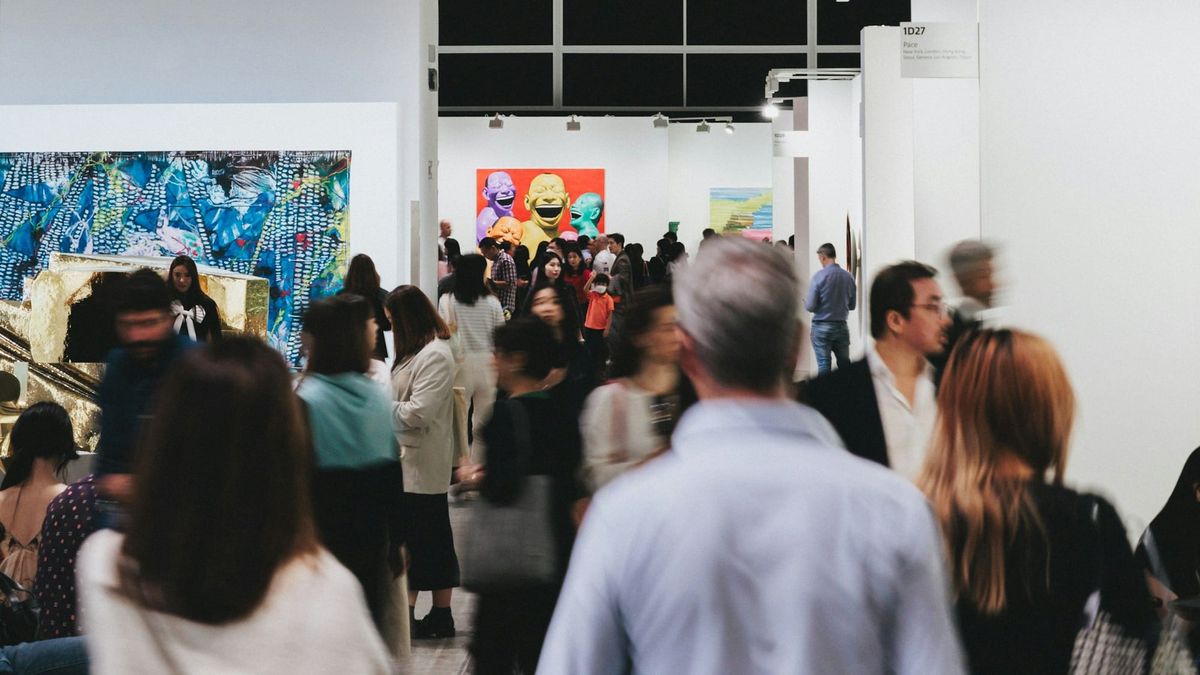
Inside the trade, recovery is easier to announce than to feel.
Auction totals may improve. Evening sales may look stronger. More works may change hands. But a seller can still be advised to wait, a gallery can still feel buyers hesitate, and an advisor can still like the object while resisting the estimate.
The verified picture is narrower, but useful. Recent auction data points to a market improving in total value while strength concentrates around the upper end; around that movement, the vocabulary of discipline, provenance, freshness, rarity and historically significant material keeps returning.
This is one condition sitting beneath the healthier language now returning to the market.
Buyers are not simply back. They are asking for more protection before they move.
That protection can take many forms: provenance, rarity, freshness, institutional recognition, controlled supply, careful pricing, and a seller who is not visibly under pressure. None of these qualities is new. What has changed is how much work they are now being asked to do.
They do not only make an object attractive. They make the decision easier to defend. What matters now is not only whether demand exists, but how many structures are required before demand becomes usable.
Before a collector asks how much, the quieter question is whether the price can still be explained later: to an advisor, a family office, a board, a future buyer, or to the collector’s own sense of judgment. A canonical name helps, but it is no longer enough if the work is weak, overexposed, poorly estimated, or too dependent on one narrow pocket of demand.
In a market where sellers can wait, buyers negotiate harder, and public failure remains expensive, protection becomes part of the price.
The useful signal is not that buyers have become cautious. It is that caution has become part of how value is now produced.
The post-pandemic market rewarded speed. The present market rewards justification.
That shift is felt unevenly. It is felt by auction houses in the pressure to set estimates that do not embarrass the work. It is felt by advisors who have to separate conviction from momentum. It is felt by sellers who discover that a stronger market does not mean every good work should come out now.
For galleries, the task is not simply to create visibility, but to pace it: to place work, build context, and prevent attention from becoming market pressure too early.
This is why recovery can look clearer from a distance than it feels from inside. Confidence has not vanished, but it has become more conditional. It appears where enough supporting structure is already in place.
The market is not simply buying art again.
It is buying protection around art.
And protection is not distributed evenly.
© ART Walkway. All Rights Reserved.


