The Narrow Room
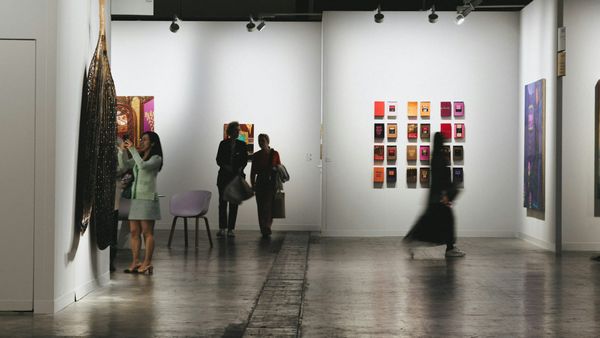
At the top of the art market, value is not decided by broad demand but by whether a small pool of buyers can be activated around the same object at the same moment.

At the top of the art market, value is not decided by broad demand but by whether a small pool of buyers can be activated around the same object at the same moment.
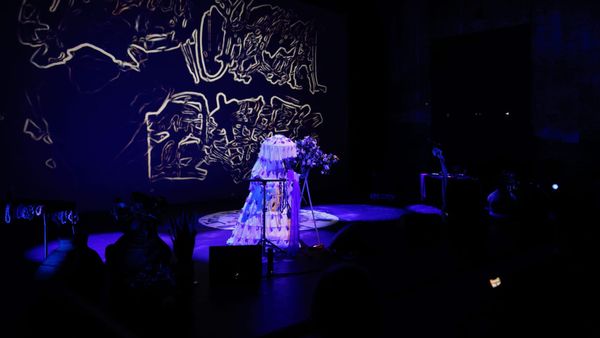
Maja Ćirić reviews the second part of Minor Keys, the 61st Venice Biennale, tracing Koyo Kouoh’s absence through delegated curating, mourning, accumulation, and polyphonic form.

The Art Students League’s Works in Public 2026 call points to a quieter stage of public sculpture: the training, site knowledge and fabrication thinking required before an artwork can enter shared space.

Women are already central to the art world’s labour. The question is why recognition so often fails to become protected time, authority, and continuity.
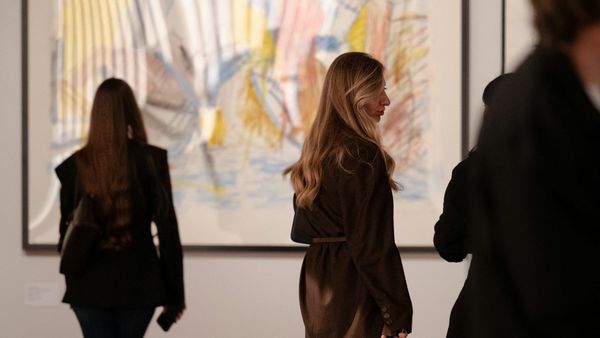
The cooling of ultra-contemporary art shows what happens when attention moves faster than the structures needed to protect value.

As Pace cuts artists and staff while calling the gallery model “unfixable,” the question is not only whether the market has weakened, but how many obligations a gallery of this scale can still credibly hold.

As high-value art moves through quieter formats, the public record becomes less a map of the market than a partial shadow of it.
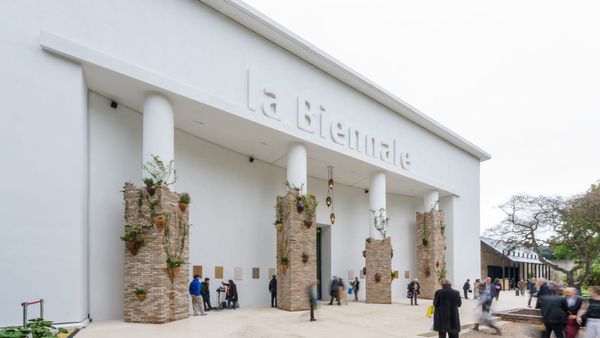
Maja Ćirić reviews Minor Keys, the 61st Venice Biennale, tracing absence through protest, authority, national pavilions, and institutional rupture.
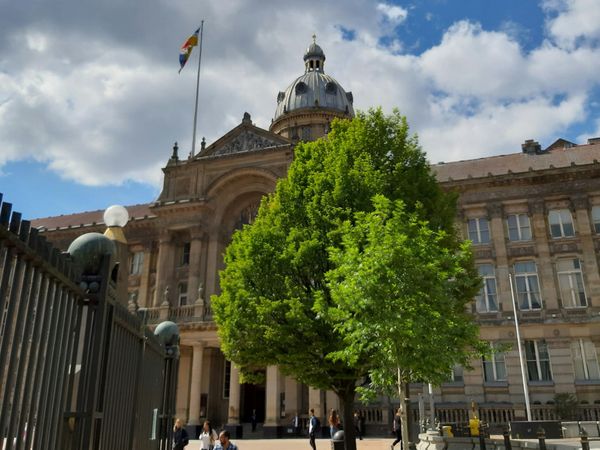
Arts Council England’s replacement of Let’s Create moves the Hodge review from diagnosis into implementation, testing whether a new Strategic Framework can reduce procedural control rather than restate it in simpler language.
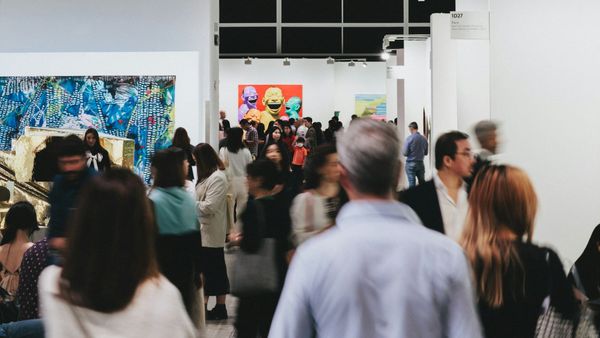
Auction recovery is easier to announce than to feel. Inside the trade, the question is no longer only what can sell, but what can still be defended after it sells.
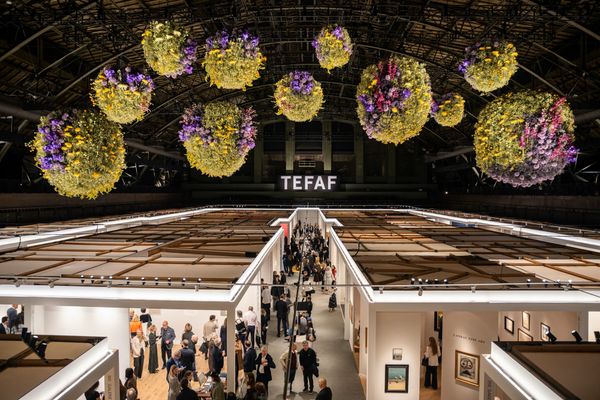
As TEFAF New York nears closure, its tenth-anniversary edition shows how historic architecture, disciplined scale, cross-category collecting, museum presence, and object pressure convert market assurance into an atmosphere before the fair has fully ended.

As the Lucas Museum of Narrative Art opens with a founder‑curated inaugural programme, the question shifts from what is being shown to how narrative authority is being positioned before the institution fully enters public use.

Field Notes
As museums navigate unprecedented scale, technological mediation, and shifting demographics, the question is no longer only how to attract audiences, but how institutions organise themselves for the publics already shaping their future.
Art Student Masterplan
Turn student momentum into a believable next chapter by designing the structures, rhythms, and direction that can carry your work after the institution falls away.

Latest Art News
As Disney cuts around 1,000 roles under new CEO Josh D’Amaro, the layoffs are landing inside a wider creative anxiety: not only about automation, but about whether human-made work will remain visible, valued and clearly distinguishable at all.
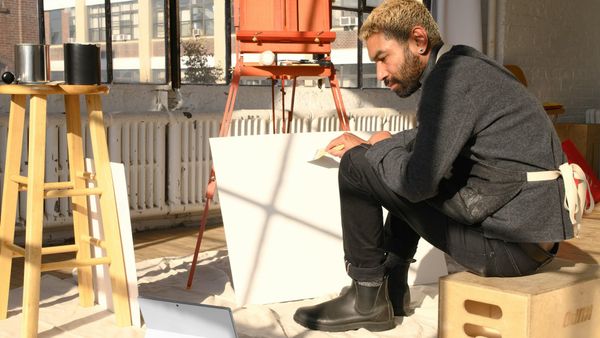
Art Student Masterplan
Refine your work in public, understand what actually lands, and turn casual attention into the kind of early support that can continue beyond the crit room.

Industry Mapping
How Art Basel Hong Kong aligns museums, districts, independent spaces, public programs, and gallery networks into a shared legitimacy surface—making Hong Kong’s art ecology more visible while increasingly organizing how that ecology is timed, converted, and read.

Art Student Masterplan
Learn why students who begin building visibility, language, and momentum before graduation are the ones most likely to leave school with a real artistic life already in motion.

Art Student Masterplan
ART Walkway’s Art Student Masterplan — the complete blueprint for students who want to leave school with stronger work, stronger language, and real momentum already in motion.
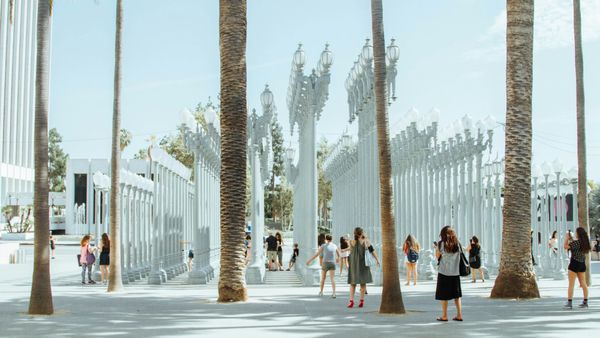
Field Notes
As the David Geffen Galleries open in Los Angeles, the issue is no longer only whether Peter Zumthor’s building succeeds as architecture, but what an encyclopedic museum has to build around art once chronology, geography, and medium stop doing as much of the public work.
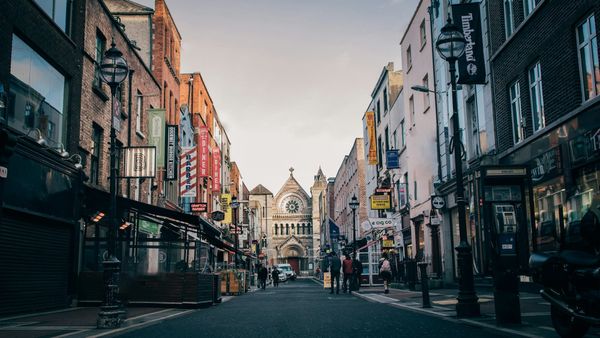
Law & Politics
As Ireland opens applications for its new Basic Income for the Arts scheme, the issue is no longer only whether artists should receive income support, but what happens when a measure first framed as pilot, recovery and research begins to harden into cultural policy.
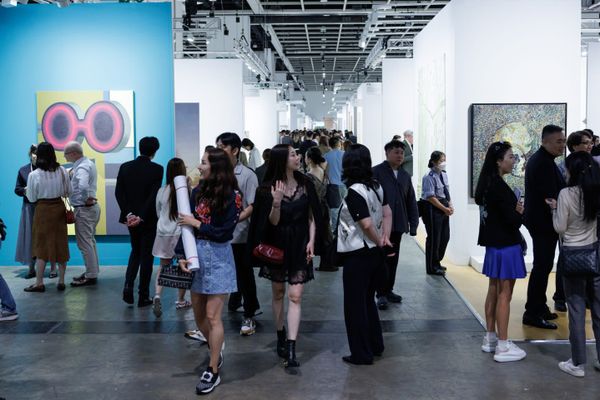
Industry Mapping
How Art Basel Hong Kong turns regional density, institutional attendance, and slower collector behavior into a new evidentiary system—proving centrality less through Western symmetry than through Asia-Pacific concentration, calibrated seriousness, and managed selectivity.
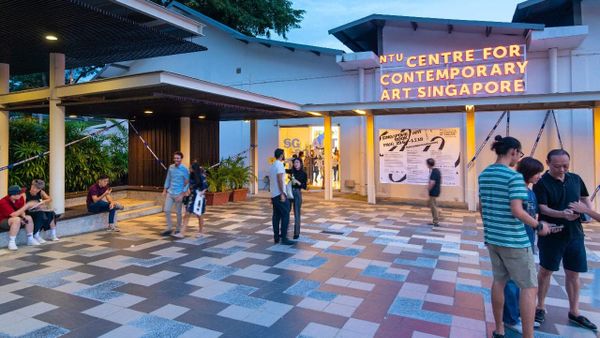
Field Notes
Singapore Art Book Fair’s withdrawn Walking Exhibitor open call exposed a deeper question about access, constraint, and how smaller art fairs distribute instability across emerging participants.
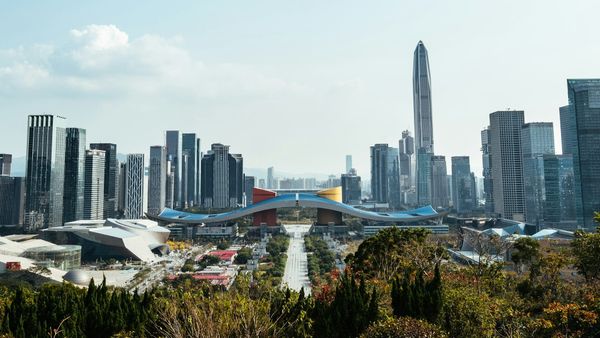
Art & Tech
As JD.com and Tencent push ahead with new museums in Shenzhen, the issue is no longer only private support for culture, but what happens when corporate power begins shaping the institution itself.