Olympic Opening Graphic Altering Leonardo’s Vitruvian Man Draws Scrutiny Over Broadcast Authority
An edited version of Leonardo da Vinci’s drawing appeared in the opening sequence of Italy’s Winter Olympics coverage, prompting parliamentary questions and renewed scrutiny of cultural authorship within Olympic broadcast governance.

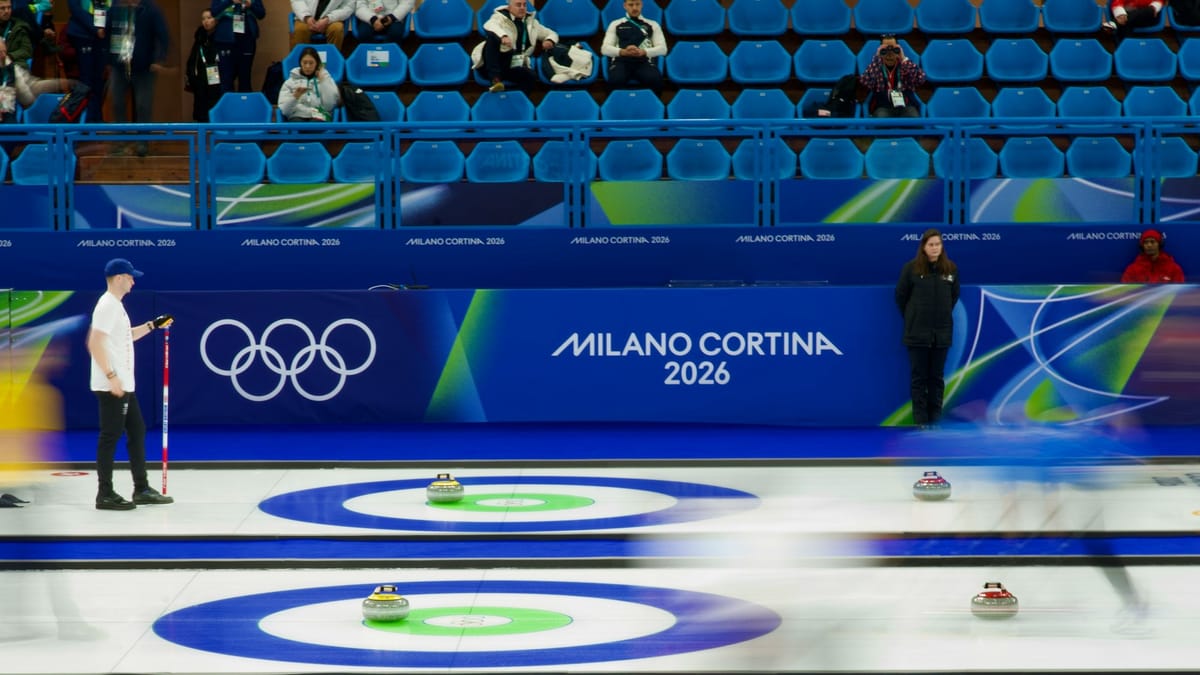
Italy’s public broadcaster RAI is facing political scrutiny after an altered version of Leonardo da Vinci’s Vitruvian Man appeared in the opening sequence of its coverage of the Milano Cortina 2026 Winter Olympics.
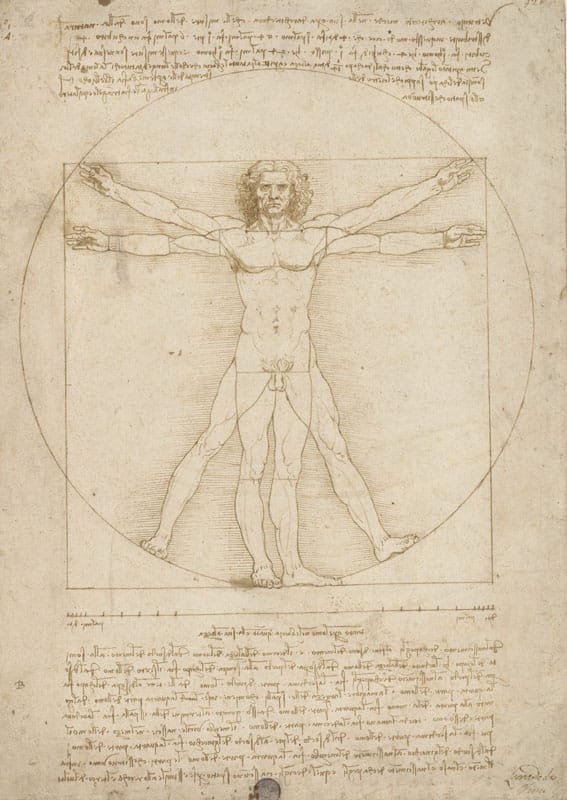
The Renaissance drawing, widely recognised as a study of ideal human proportion, appears at the start of the broadcast before morphing into winter athletes. In the televised version, however, the figure’s genitals are absent — a detail first noted by Corriere della Sera, which questioned why the image appeared otherwise faithfully reproduced.
Opposition lawmakers from Italy’s Democratic Party have since raised parliamentary questions, asking whether authorisation was granted not only to reproduce the drawing, but to modify it. Irene Manzi, culture committee group leader in the lower house, described the alteration as “tampered with and censored,” calling it an unacceptable intervention into a canonical work.
RAI rejected accusations of editorial interference, stating that the opening sequence was produced and managed by Olympic Broadcasting Services, the entity responsible for delivering official feeds to rights-holding networks. According to the broadcaster, it transmitted the sequence without the ability to intervene or alter the material.
The episode arrives amid heightened sensitivity around governance at RAI, where sports journalists have recently signalled protest actions over separate editorial disputes tied to the Games’ opening ceremony. While unrelated, the convergence underscores the pressures facing public broadcasters operating within layered international production structures.
At issue is not only the missing detail, but the question of authorship and control: when globally distributed broadcast content incorporates national cultural patrimony, responsibility for alteration becomes diffuse. In the case of Vitruvian Man, a Renaissance study of human proportion becomes a contemporary test of institutional accountability within global media governance.
© ART Walkway 2025. All Rights Reserved.