When Tech Money Starts Building the Museum
As JD.com and Tencent push ahead with new museums in Shenzhen, the issue is no longer only private support for culture, but what happens when corporate power begins shaping the institution itself.

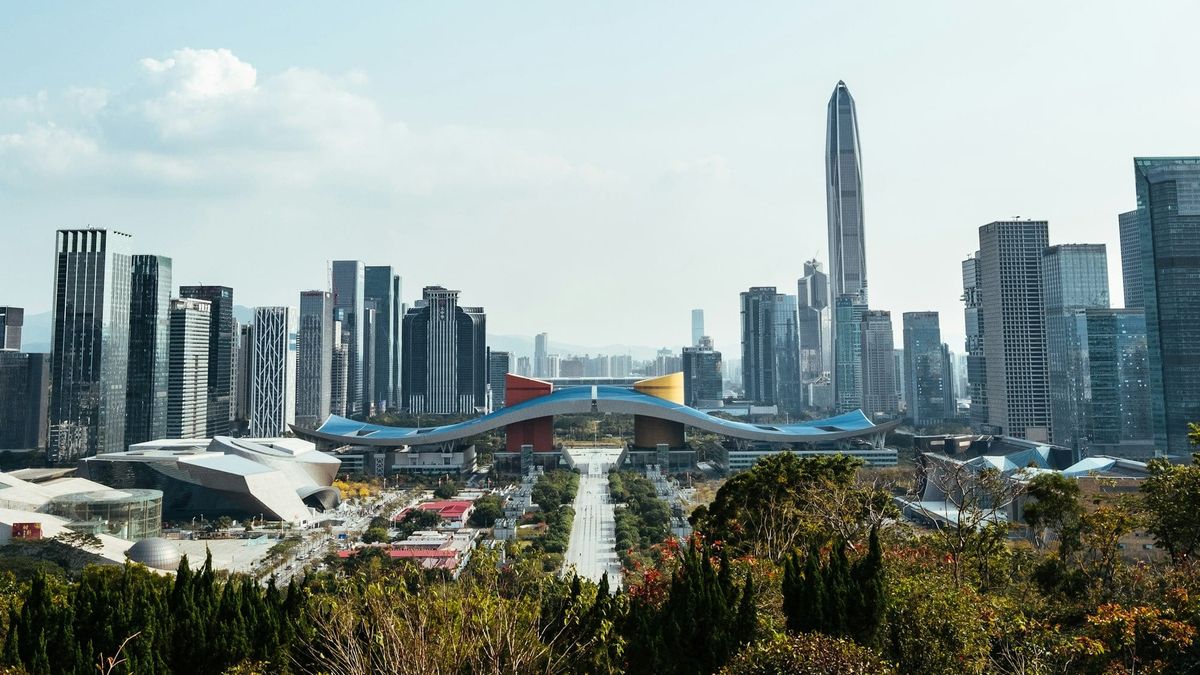
Shenzhen has spent years perfecting one kind of power. Fast power. Platform power. The power to scale networks, move goods, absorb talent and turn velocity into urban identity. Now it is trying to convert some of that force into culture. JD.com and Tencent are moving ahead with major museum projects in the city, appointing Robin Peckham and Pi Li to lead them, as Shenzhen makes a more explicit bid to be taken seriously not only as a technology capital, but as an art one too.
That sounds like patronage. It is something more structural.
JD Museum is being built into JD.com’s new headquarters and is due to open in 2027 under Peckham’s leadership. Tencent co-founder Pony Ma’s private venture is backing another new museum in Houhai, with Pi Li shaping its inaugural programme ahead of a planned 2027 opening. This is not support arriving from outside the institution. It is capital helping define the institution before it opens at all.
Museums do more than exhibit art. They stabilise legitimacy. They give a city institutional weight.
Shenzhen knows that.
Long framed as a place of innovation, manufacturing and relentless growth, the city has also carried the complaint that it lacks the historical and symbolic weight of Beijing or Shanghai. These projects are part of an answer to that. They do not just add culture to the city. They convert scale into institutional form.
That is where the pressure sits.
China’s museum sector has expanded rapidly, with official reporting in 2025 putting the national total at 7,046 museums after 213 new registrations in 2024. But recent commentary has also described the privately financed museum boom as structurally fragile, tied in many cases to branding, property logic and weak institutional buffers. Shenzhen’s rise arrives inside that condition, not after it.
So the issue is not only that tech companies are funding art. It is that the museum is becoming one more way corporate power learns to appear as culture.
That does not invalidate the institution. It does change what kind of institution it is.
A museum founded by tech capital may still produce ambitious exhibitions and real curatorial seriousness. But it does not begin with much distance from the economic order that produced it. It arrives already folded into it.
Shenzhen is not simply adding museums. It is testing whether corporate power can generate the kind of institutional authority older cultural centres accumulated under different conditions.
It may succeed.
But if the museum now rises inside the same systems that organise platforms, property and urban competition, then culture is not being built apart from corporate power.
It is one of the ways that power now gives itself form.
© ART Walkway. All Rights Reserved.