Art Events Need Structured Visibility in 2026: Galleries Face Faster Cycles and Shorter Attention Windows
In 2026, art events and galleries face fast-moving calendars, short media cycles, and dense cluster weekends. Structured, progressive visibility is now essential for sustaining attention before and after openings.

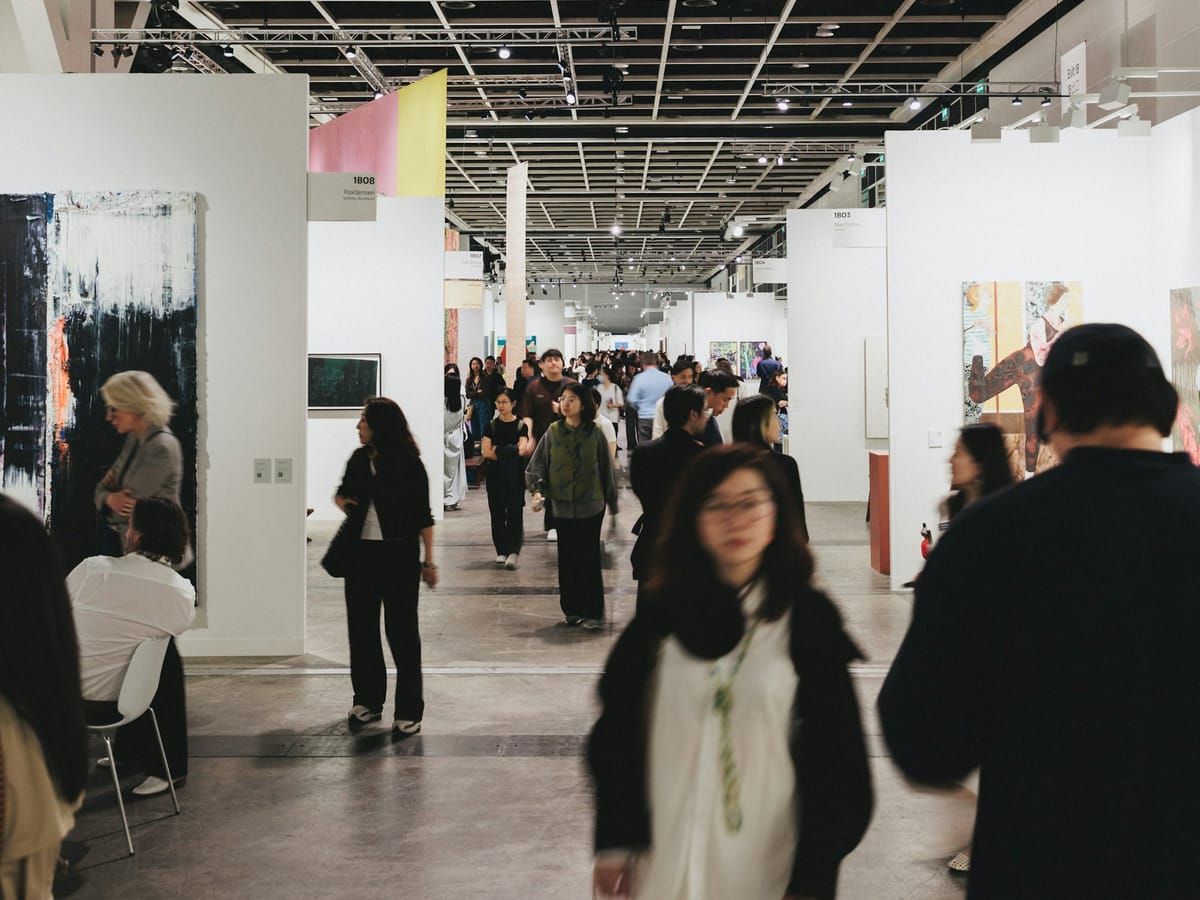
Art events across 2025 reached wide coverage. Some generated more than 300 articles across over 50 countries through mixed paid and organic visibility. The scale was high, but the retention window was short. Most stories peaked within 48–72 hours before being overtaken by the next cluster weekend, fair, or institutional announcement.
In 2026, galleries and events cannot depend on volume alone. Visibility must be structured early, held consistently, and reinforced across the season. Without this, even strong programs fall out of circulation quickly.
Coverage Volume Delivers Reach, Not Duration
The international circuit moves faster than individual campaigns. Cities with high-density calendars—Berlin, London, Paris, Brussels, Barcelona, Gulf-region fairs, Hong Kong, New York—push attention forward in rapid cycles.
Most art-event coverage now follows the same pattern:
• high activity in the first 2–3 days
• sharp decline after the next cluster opens
• minimal return unless reinforced by new material
Retention depends on continuity, not announcement size.
Progressive Visibility is Replacing One-time Promotion
Progressive visibility refers to structured, ongoing signals that maintain presence across multiple phases. It is not advertising pressure. It is sequencing.
Events that hold attention use:
• pre-season visibility (artist previews, early interviews, programming outlines)
• cluster-period positioning (timely assets, coordinated messaging, press access)
• post-opening sustain (follow-up material, institutional confirmations, program updates)
This three-stage structure keeps the event inside the field’s awareness when the calendar accelerates. Events without this sequence drop after the initial release, regardless of scale.
Digital Visibility Now Requires Pre-planned Consistency
Platforms move faster than audiences can track. Algorithms reduce reach after short peaks.
To remain visible, events need:
• pre-loaded assets ready before the opening
• consistent posting cadence during the cluster
• scheduled follow-ups after the weekend
• clear messaging across all partners
Digital presence without structure disperses quickly.
What This Means for Galleries and Art Events
Visibility is determined before the season begins. Galleries and events must secure:
1. Calendar positioning
Know where your date sits relative to:
• cluster weekends in your city
• fair cycles
• regional art weeks
• institutional milestones
A high-density weekend can raise footfall or erase visibility depending on preparation.
2. Clear messaging before the announcement
All partners—artists, curators, collaborators—must understand the timing rationale to maintain stable expectations. Message clarity prevents internal uncertainty that spreads outward.
3. Press strategy aligned with the calendar
During clusters, journalists request early materials and controlled scheduling. Outside clusters, deeper coverage is available if outreach precedes any competing weekend.
4. Internal coordination
Galleries and events must align:
• deadlines for asset production
• release sequencing
• partner announcements
• staff messaging
Misalignment weakens visibility more than external competition.
Global Differences Matter
Berlin’s concentrated Friday openings create fast turnover. London’s district segmentation splits traffic unevenly. Paris and Brussels rely on institutional circuits that prioritize established spaces. Gulf-region fairs operate with heavy international press volume and short retention cycles. Hong Kong fairs push competing events into narrow timing slots. New York’s media density produces reach but quick fade-out.
Visibility planning must adjust to these regional structures.
The Structural Reality
In 2026, visibility is not a byproduct of programming. It is a planned component of it.
Events that build early, progressive, and coordinated visibility hold their position. Events that rely on singular announcements or past momentum are overtaken by the calendar’s pace.
The system moves quickly. Attention follows structure. Those who prepare maintain presence when the season accelerates.
© ART Walkway 2025. All Rights Reserved.