Why Smaller Galleries Are Extending Exhibition Runs to Navigate High-Density Art Seasons in 2026
Smaller galleries are shifting to fewer exhibitions, longer runs, and structured openings as dense calendar clusters and travel cycles limit visibility. Extended pacing is becoming essential for sustaining institutional and press engagement in 2026.

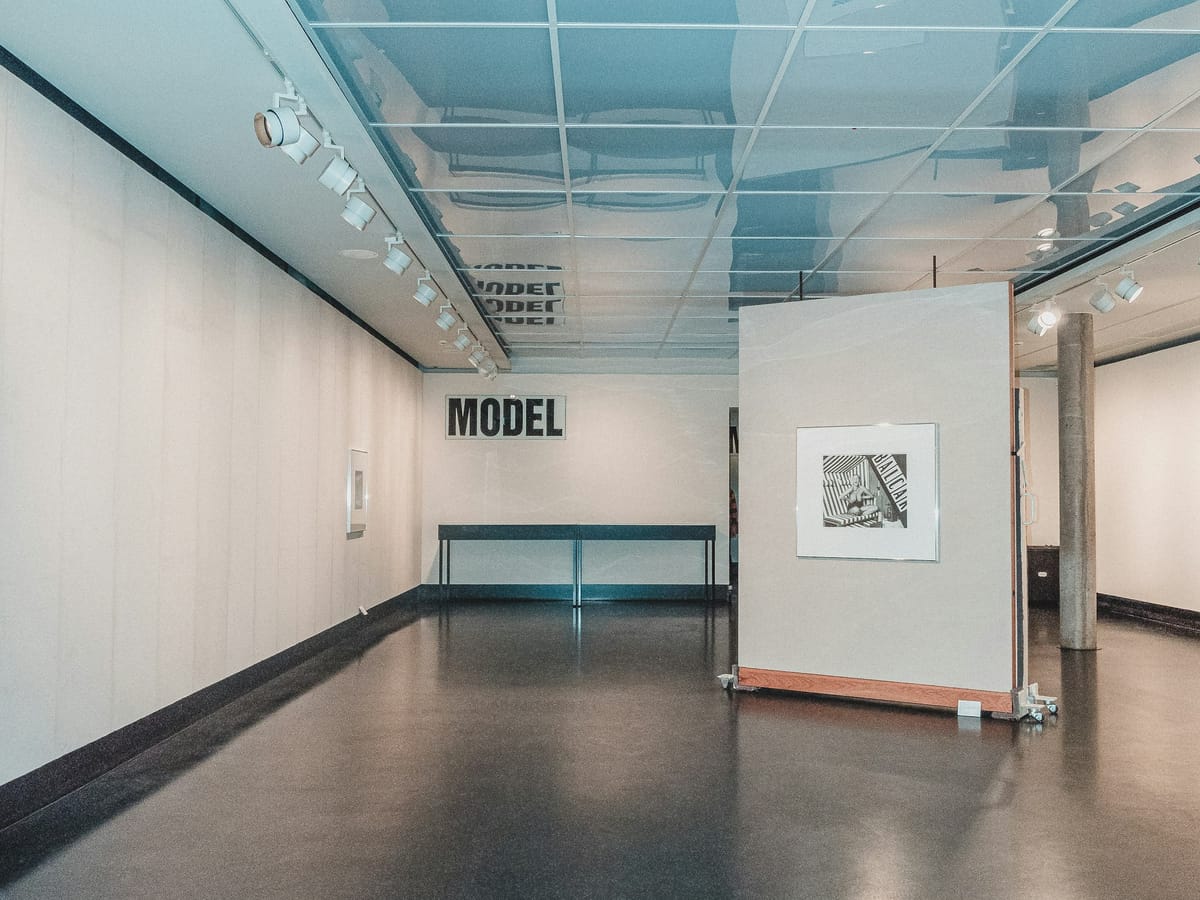
Smaller galleries across major art cities are reducing the number of exhibitions they stage each year and extending the duration of those that remain. Show runs that previously lasted four weeks now commonly stretch to six or eight. Openings are phased. Calendars are tightened around months with fewer competing events. The shift is consistent across regions and driven by structural pressures, not preference.
High-density Calendars Reduce Visibility for Short-run Shows
Cluster weekends in Berlin, London, Paris, Brussels, Barcelona, Beijing, and New York push attention into compressed windows. Smaller galleries positioned outside central routes lose visibility fastest.
Data from multiple cities shows:
• exhibitions under four weeks see significantly fewer curator visits
• press prioritizes cluster programming, leaving limited bandwidth for smaller spaces
• audience flow declines when several major programs launch in the same week
Longer show durations increase the chance of being seen once the peak congestion passes. Artists are responding to this directly, requesting longer windows to secure institutional visits that may take weeks to schedule.
Extended Exhibition Periods Increase Institutional Access
Institutional teams follow narrow travel cycles tied to fairs and cluster weekends. Curators often schedule visits two to five weeks after a public opening, once travel slows.
Extended runs give smaller galleries more opportunities to align with these gaps.
Observed patterns include:
• increased curator visits during quieter periods between major fairs
• higher follow-up rates for shows running six weeks or more
• stronger institutional engagement for galleries that plan around travel windows rather than around opening nights
Short exhibitions leave no margin for delayed attendance.
Structured Openings Help Smaller Galleries Control Attendance
Smaller spaces are shifting away from single-night launches and toward phased openings:
• soft previews for close supporters
• scheduled curator walkthroughs
• public openings timed just before or after local cluster weekends
This approach reduces direct competition with larger galleries and provides clearer viewing conditions for institutional visitors.
Internal capacity factors also matter. Lean teams cannot manage high-volume openings or rapid exhibition turnover in congested months. Structured pacing stabilizes workload and prevents operational strain.
Programming Changes Now Visible Across Cities
The adjustments vary by region:
• Berlin: emerging galleries run mid-week openings to avoid the Friday surge.
• London: peripheral districts extend runs to stay visible across district rotations.
• Paris and Brussels: smaller spaces lengthen shows to capture institutional routes set by major museums.
• New York: LES and Brooklyn galleries avoid clustering with Chelsea and shift programs into slower months.
These are operational responses to calendar pressure, not experimentation.
How Smaller Galleries are Restructuring Their Year
A consistent pattern is emerging:
• fewer exhibitions across the year
• show durations of six to eight weeks
• phased opening formats
• early outreach to curators
• scheduling aligned with institutional and press travel cycles
• controlled installation timing to reduce staff load
This structure gives smaller galleries grounding inside a calendar dominated by larger spaces and high-density moments.
The Outcome for 2026
Extended runs and structured openings are becoming essential tools for smaller galleries. They improve institutional access, protect visibility through congested periods, and stabilize operations in months where the circuit moves quickly.
In 2026, programming pace is not an aesthetic decision. It is the operational response to a calendar that leaves smaller galleries little margin for unplanned visibility loss.
© ART Walkway 2025. All Rights Reserved.