Louvre Faces Mounting Strain After a Year of Converging Pressures
After a turbulent year marked by staffing unrest, infrastructure stress and debate over a major renovation plan, the Louvre is navigating intensifying pressure over how it balances long-term ambition with day-to-day operations.

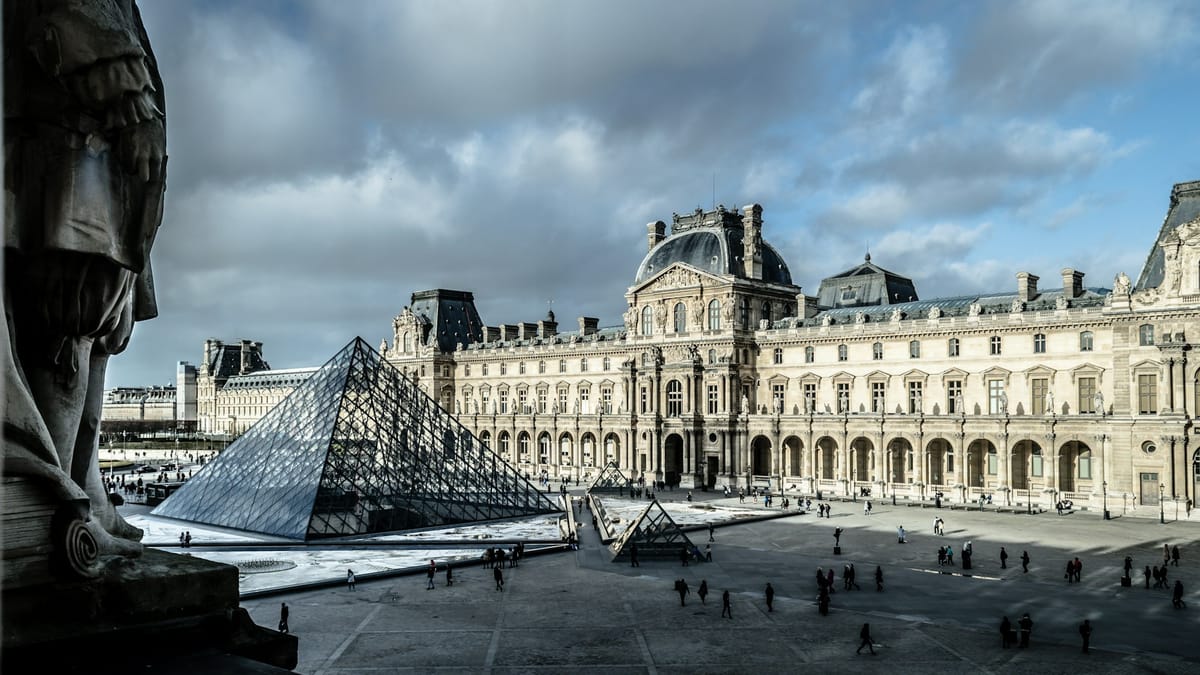
The Louvre is navigating a moment of acute strain after a year in which multiple pressures converged on the world’s most visited museum, testing its capacity to balance ambition with day-to-day operations. Record visitor numbers, staffing shortages and labour unrest have collided with long-standing infrastructure challenges, leaving the institution struggling to keep pace with its own scale.
Frontline staff have staged repeated strikes over pay and working conditions, warning that chronic understaffing is affecting everything from gallery supervision to conservation and security. At the same time, parts of the museum have faced temporary closures due to technical and safety issues, while water leaks and maintenance problems have exposed the limits of ageing infrastructure stretched by relentless footfall.
These tensions have sharpened debate around President Emmanuel Macron’s proposed €1.15bn “Nouvelle Renaissance” renovation programme, which includes a new main entrance and a separate gallery for the Mona Lisa. Supporters argue the project is essential to managing overcrowding at a site designed for far fewer visitors, while critics inside the museum question whether headline architectural solutions risk diverting attention from more immediate operational needs.
France’s state auditor has added to the pressure, raising concerns about spending priorities and warning that security and maintenance have not always kept pace with the museum’s expanding demands. The report has reinforced unease among staff and cultural officials about how a global institution of the Louvre’s size can sustainably operate within current funding and governance structures.
Leadership is now operating in a narrowed space. Director Laurence des Cars, whose term runs until 2026, faces rising expectations to stabilise operations while navigating politically sensitive proposals such as higher ticket prices for non-European visitors. The culture ministry has responded by appointing Philippe Jost to oversee a reorganisation aimed at refocusing attention on essential maintenance and day-to-day functioning.
For the Louvre, the past year has not been defined by a single crisis but by the accumulation of pressures arriving simultaneously. How the museum recalibrates — without retreating from long-term ambition or losing control of its core operations — is now emerging as one of the most closely watched tests in European cultural management.
© ART Walkway 2025. All Rights Reserved.