Ireland’s Basic Income for the Arts and the Passage from Pilot to Policy
As Ireland opens applications for its new Basic Income for the Arts scheme, the issue is no longer only whether artists should receive income support, but what happens when a measure first framed as pilot, recovery and research begins to harden into cultural policy.

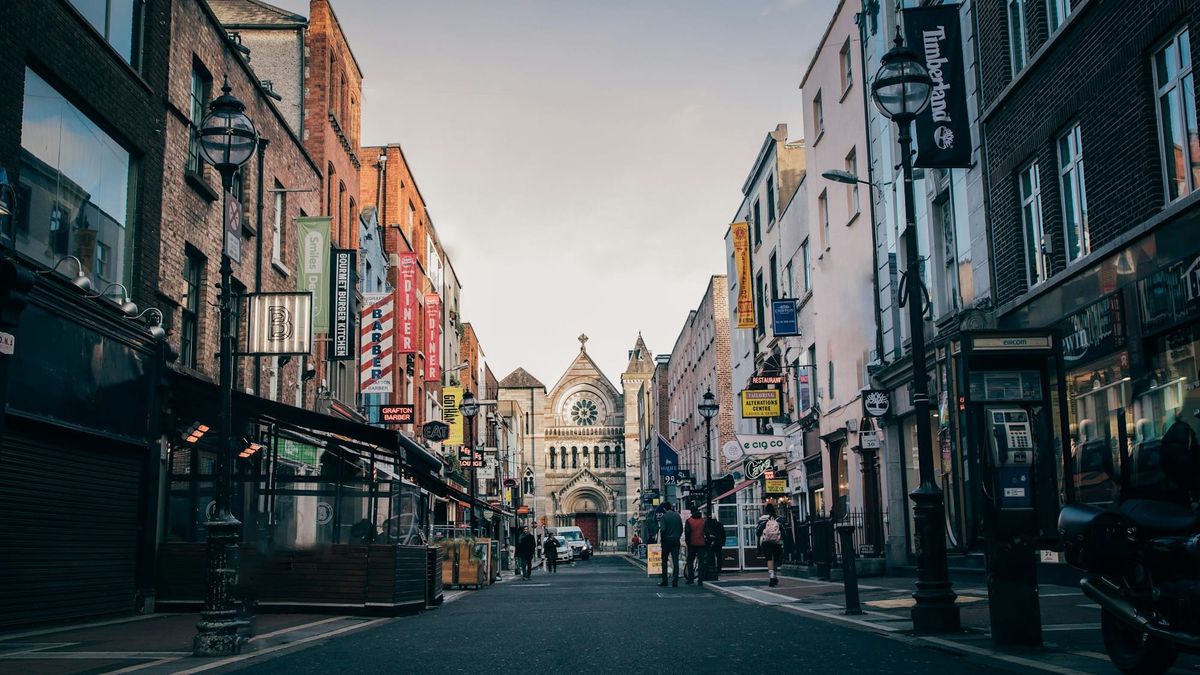
Ireland has published the guidelines for its new Basic Income for the Arts scheme, opening applications from 15 April to 12 May for a three-year programme that will support 2,000 practising professional artists in the Republic of Ireland with weekly payments of €325. The scheme succeeds the state’s earlier pilot and is backed by an €18.27 million Budget 2026 allocation, with payments due to begin before the end of the year.
The issue is not only that artists will receive income. It is that instability has moved from pilot into policy form.
That changes the meaning of support.
Arts funding often attaches money to projects, commissions, institutions, or competitive assessment. A basic income scheme does something different. It accepts that artistic practice may require continuity before output, growth, or public visibility can be secured. In that sense, the Irish state is not only subsidising culture. It is partially absorbing the income volatility that artistic labour has long been expected to manage privately. What the scheme buys is not only income, but time that does not have to be surrendered elsewhere.
What makes the Irish case more significant is that this did not begin as settled policy. The Basic Income for the Arts emerged through post-pandemic recovery planning and was first introduced as a three-year pilot, structured as a randomised-control trial so that the effects of direct income support could be measured rather than merely asserted. The policy was designed not only to pay artists, but to produce evidence about what payment changes.
That history matters because the 2026 scheme does not simply repeat the pilot. It extends its logic.
The successor scheme is justified largely through the pilot’s findings, including an external cost-benefit analysis that found every €1 invested generated €1.39 in social return. Official material also frames the scheme in broader terms: reducing instability, retaining artistic talent, supporting wellbeing, and recognising the contribution of artists to Irish society. What began as recovery policy and controlled experiment now moves closer to permanent governance.
That is the real shift.
Artistic precarity is no longer being treated only as a familiar hardship of creative life. It is being treated as a policy condition the state may mitigate directly.
That does not make the scheme universal.
The programme remains capped at 2,000 recipients, and access is limited by eligibility criteria and selection. Sector guidance has continued to describe recipients as selected randomly from the pool of eligible applicants, preserving scarcity even as support becomes more durable. Recognition has deepened, but settlement remains rationed.
That is the governing tension.
Ireland is no longer only testing whether artists need income stability. It is testing how far a state will institutionalise that recognition without making it universal.
The scheme opens on 15 April.
What follows from it is larger than one application round. Ireland is not only funding artists. It is moving a condition once normalised as personal sacrifice into the realm of cultural administration, while leaving the terms of access selective enough that scarcity still organises who gets relief.
© ART Walkway. All Rights Reserved.