Galleries Are Replacing One-Night Openings With Multi-Stage Launches
Galleries across major art cities are moving away from single-night openings and adopting multi-stage launches with previews, timed walkthroughs, and structured press access.

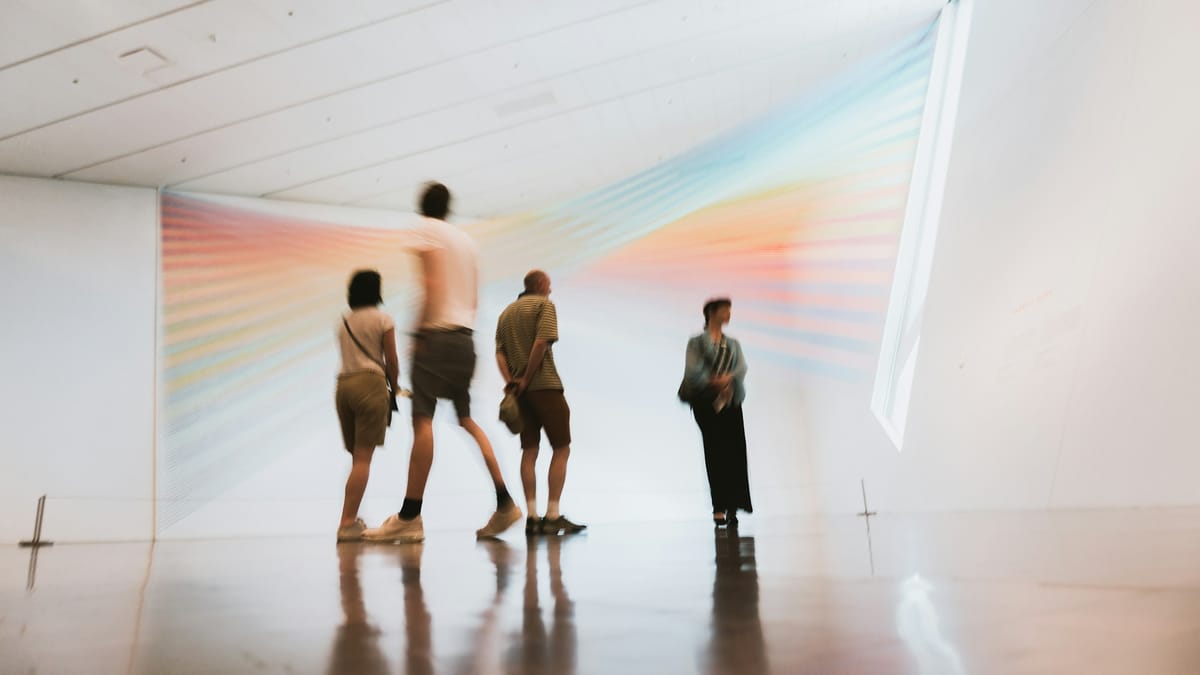
The single-night opening is no longer the main entry point for an exhibition. Across major art cities, galleries are shifting to multi-stage launches that stretch across days rather than hours. Quiet previews, controlled curator walkthroughs, scheduled press visits, and delayed public openings are replacing the once-central evening event. The transition is broad, consistent, and driven by structural pressure inside increasingly dense seasons.
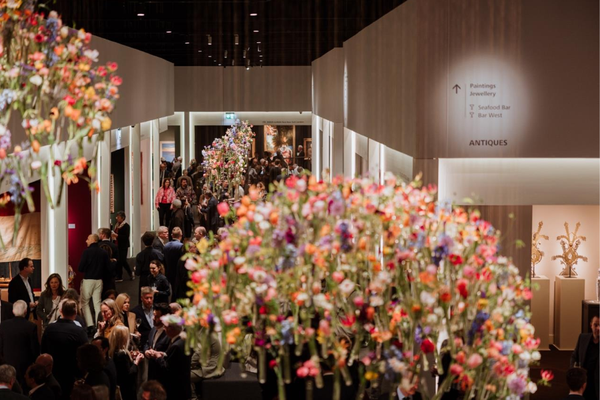
One-night openings cannot support the visibility an exhibition now requires. During peak weekends in Berlin, London, Paris, Brussels, Barcelona, Beijing, and New York, dozens of shows compete for audiences in the same two- or three-hour span. Attendance fragments. Curators move quickly or avoid the crowds entirely. Press confirms only a few stops, often booked five to ten days in advance. A single evening cannot hold the weight of discovery, engagement, and coverage under these conditions.
Galleries are responding with longer, phased introductions. Institutional contacts are now invited for previews one to three weeks before the public date. Artists increasingly expect these early sessions because they want their work seen under controlled conditions, not inside crowded openings with short viewing times. Journalists are given advance access in quiet windows where they can work without interruption. Public openings remain, but they no longer function as the decisive visibility moment.
Inside smaller and mid-sized galleries, the shift is also practical. Lean teams cannot absorb the operational strain of a single high-traffic night during dense months. When exhibitions run six to eight weeks instead of four, and when the launch is distributed across several stages, the workload is steadier and the audience interaction more structured. Visitors return across the first week rather than compressing into one evening, and the gallery has time to manage institutional follow-up.
The pattern is visible across cities. Berlin galleries increasingly use mid-week previews to avoid Friday congestion. In London, galleries outside central districts schedule walkthroughs around institutional movement rather than public openings. Paris and Brussels rely on multi-day introductions to match museum routes that rarely coincide with a single launch night. In New York, spaces in the Lower East Side and Brooklyn spread their openings to avoid direct conflict with Chelsea’s crowded nights.
This shift is not experimental. It is a direct response to calendar compression and the faster circulation of attention. Multi-stage launches allow exhibitions to remain visible beyond the 48–72-hour window in which most coverage and institutional activity now peaks. They give curators more access, press more workable conditions, and artists more confidence that their work will be seen properly.
In 2026, the galleries that hold visibility are the ones structuring their launches over multiple points instead of relying on one crowded evening. The calendar no longer supports a single decisive moment. Visibility now depends on controlled access delivered in sequence, not on a single night at the door.
© ART Walkway 2025. All Rights Reserved.