Creativity Is Breaking Under Time Pressure
When time is stripped out, judgment collapses. When evaluation is rushed, mistakes surface publicly.

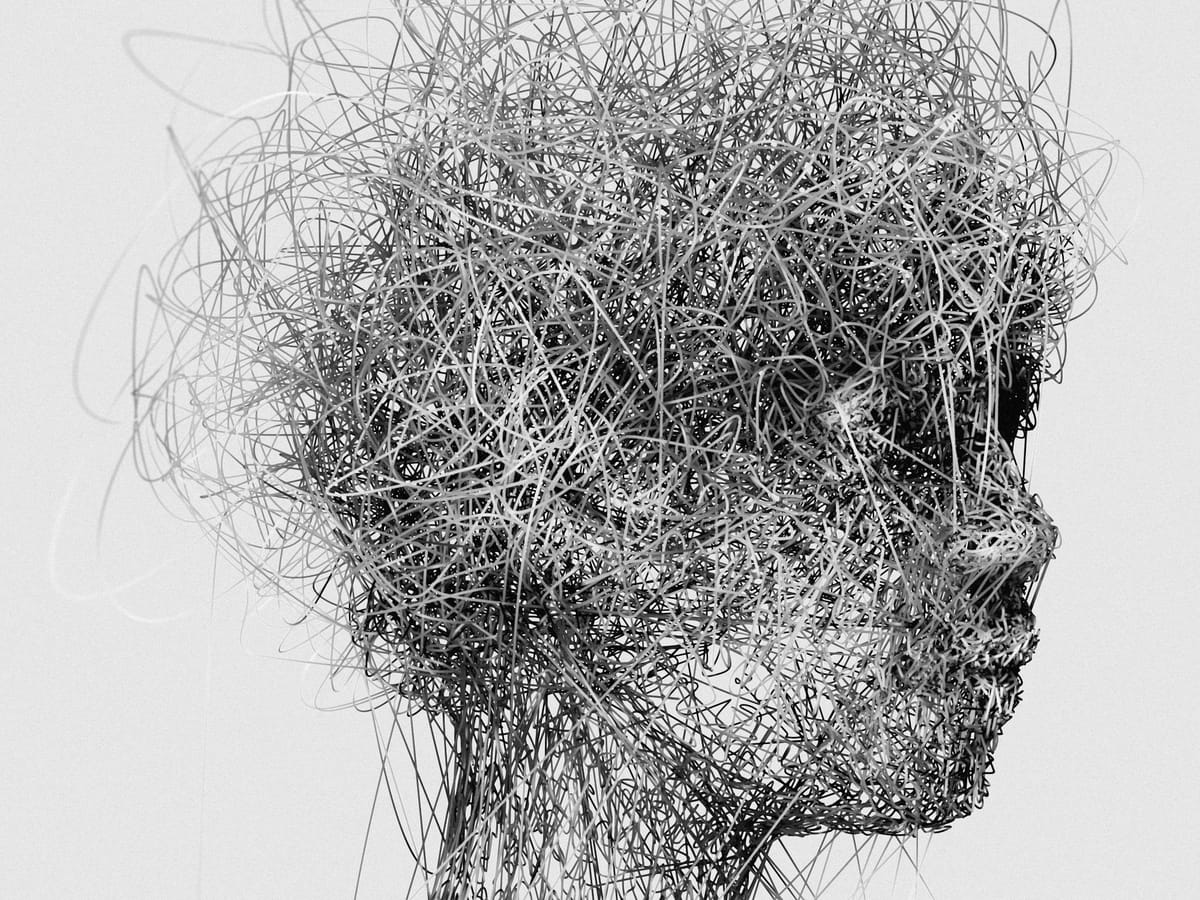
Creative work is stalling across culture, education, and media. Not because ideas are gone, but because the conditions required to produce them are collapsing.
Psychology and neuroscience research now aligns on a clear finding: creativity follows a five-stage process. Training. Incubation. Breakthrough. Judgment. Execution. When these stages are compressed, output thins. When they are skipped, work fails.
The failure starts with time.
Preparation demands repetition and absorption. Institutions cut it first. Incubation requires mental slack. Workflows erase it. Insight depends on pause, movement, disengagement. Schedules block all three. Evaluation is rushed by deadlines and metrics. Execution absorbs the damage, stretching into exhaustion.
The result shows up everywhere. Projects circulate unfinished. Ideas repeat. Burnout rises while originality drops. The problem is misdiagnosed as individual weakness. Research points elsewhere.
Studies tracking creative cognition show breakthroughs appear most often during low-demand states. Current systems reward constant visibility and speed. That mismatch is structural, not personal.
This is no longer an artist problem. Universities, cultural organizations, and creative industries are building systems that work against the brain processes they depend on.
Creativity is not failing. It is being squeezed out by design.
The institutions that survive the next cycle will be the ones that protect invisible labor: practice without output, thinking without proof, time without deliverables. The rest will keep asking for innovation while dismantling the conditions that make it possible.
© ART Walkway 2025. All Rights Reserved.