Clustered Opening Weekends Are Reshaping Gallery Communications in Global Art Cities
As major art cities compress openings into tight weekends, galleries must adjust their communications to address visibility gaps, press congestion, and client expectations around clustered and non-clustered scheduling.

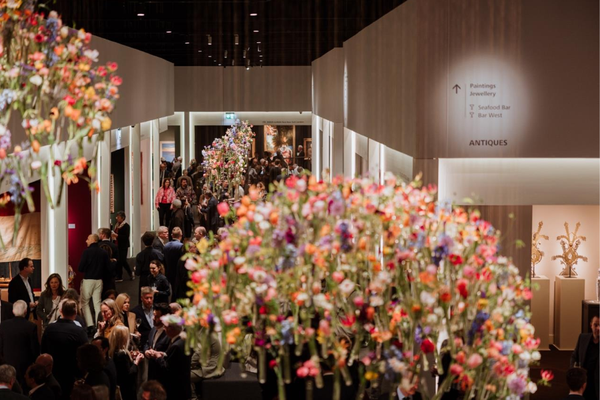
Major art cities continue to compress openings into narrow 48–72-hour windows. Berlin, London, Paris, Brussels, Barcelona, Beijing, and New York now treat clustered weekends as the central point of visibility each season. Gallery placement inside or outside these windows has become a communications issue, not just a scheduling choice.
Galleries Need Prepared Answers About Placement
Artists, clients, and institutional partners ask directly why an exhibition is or isn’t part of a cluster weekend. The questions repeat across continents.
Berlin and London drive most of the expectation. Their weekends attract concentrated institutional travel and press attendance. Paris, Barcelona, and Brussels follow the same pattern, with visitors expecting coordinated openings. Beijing positions its Gallery Weekend against Art Basel Hong Kong to capture overlapping audiences, increasing pressure on galleries to justify their timing.
Galleries respond with consistent talking points: production timelines, press availability, and the need for focused viewing outside high-traffic periods. These explanations stabilize expectations for artists and prevent speculation.
Non-cluster Openings Must be Framed as Strategic
Standalone openings require clear rationale in calendars dominated by density. Communications teams emphasize slower engagement, longer curator walkthroughs, and reduced competition for press coverage.
This framing is not optional. Off-cycle timing demands clarity to prevent the assumption that the exhibition lost placement rather than chose pacing. Emerging galleries rely on this messaging to maintain parity with larger spaces that anchor cluster weekends.
Clients Expect Clarity Months Before the Announcement
PR agencies and gallery teams report that artists request timing explanations early in the planning cycle. Institutions ask how the schedule aligns with other city events. Collectors plan travel around clusters and want advance notice.
This has front-loaded the communications work. Messaging is now established before installation planning. Galleries that delay explanations face increased internal pressure from artists who track visibility patterns across cities.
Press Strategy Must Adjust to the Calendar
Cluster weekends require early outreach. Press materials move sooner. Journalists are booked before the surge. Walkthroughs are arranged during quieter hours. The goal is to secure attention before volume peaks.
Outside the cluster, outreach is targeted. Galleries contact press before any major weekend to avoid being overshadowed. Coverage is framed around access, depth, and the ability to spend more time with the work.
Global Differences Matter
Berlin’s high-density Friday openings produce heavy footfall but short viewing times. London’s split districts distribute traffic unevenly, creating advantages for centrally located spaces. Paris and Brussels rely on institutional routes that prioritize established galleries. Barcelona’s weekend pulls a large local audience but less international travel. Beijing’s proximity to Basel compresses the window even further, making scheduling decisions more consequential.
These differences influence how messaging is received across markets.
The Field-Wide Effect
Clustered openings create a visibility gap. Placement inside the window delivers immediate traffic. Placement outside requires explicit communication to avoid being seen as secondary.
Smaller galleries face pressure on both sides: they must show strength inside the cluster and demonstrate intention outside it. Artists track these decisions closely, and galleries must give clear reasoning to maintain confidence.
Across cities, communication teams are standardizing the same tools: consistent explanations, early internal alignment, structured press timing, and defined language for off-cycle openings.
Forward Indicators to Monitor
Galleries and agencies are watching three developments:
• changes in institutional travel, especially in cities competing with fairs
• early signs of visitor fatigue during high-volume weekends
• whether audiences shift toward slower, staggered calendars in cities testing extended art weeks
These signals will determine whether cluster weekends stabilize or begin to fragment.
The opening calendar is no longer only a programming schedule. It functions as a communications system. Galleries that plan for both now control more of how their exhibitions register inside an increasingly compressed circuit.
© ART Walkway 2025. All Rights Reserved.